


Cryogenics is the branch of science that deals with the production, behavior, and application of materials at extremely low temperatures, typically below –150°C. A cryogenic system consists of essential components such as cryocoolers, storage vessels, transfer lines, and insulation systems, all designed to maintain and control low-temperature environments efficiently. These systems play a vital role in various scientific, industrial, and medical applications. In engineering, cryogenics is used in the liquefaction and storage of gases like oxygen, nitrogen, and hydrogen. In the medical field, cryogenic techniques are employed for cryosurgery, biological sample preservation, and medical imaging technologies such as MRI. Furthermore, cryogenic systems are integral to space exploration, superconductivity research, and particle accelerators, where maintaining ultra-low temperatures is crucial for performance and stability. Advancements in materials and refrigeration technologies continue to improve efficiency and safety in cryogenic operations. This overview highlights the fundamental principles, components, and wide-ranging applications of cryogenic systems in modern science and technology.
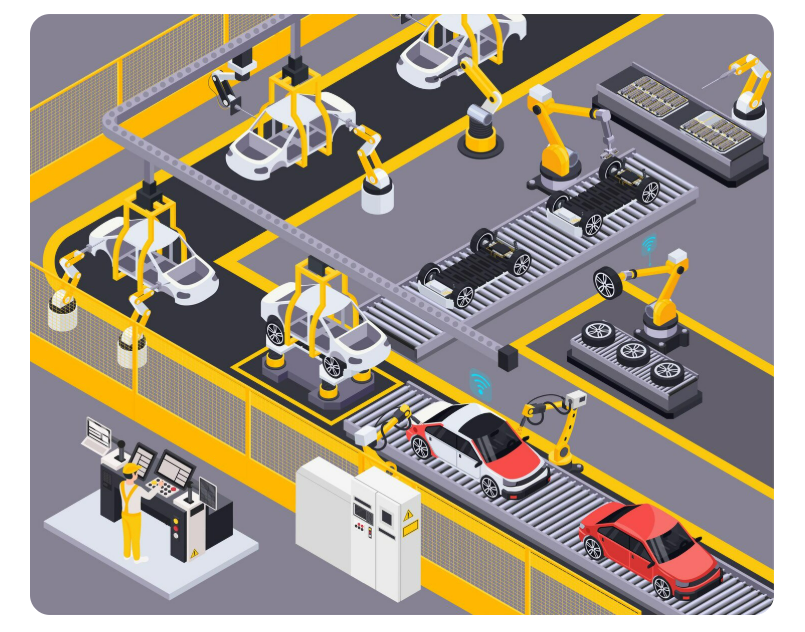
The automobile industry is continuously evolving toward enhanced maneuverability, safety, and drivin...

The exponential growth of social media platforms has generated massive amounts of unstructured text ...

Wireless Sensor Networks (WSNs) are widely used in environmental monitoring, military surveillance, ...

Medical image segmentation is a crucial step in computer-aided diagnosis, treatment planning, and bi...