


The world's food supply relies on individual with small holding farmers, but these farmers frequently lack access to sophisticated decision-support systems. The models are difficult to grasp, which is limiting the application of artificial intelligence (AI), despite its promise to increase output through prediction, disease detection, and input optimization. For smallholder farmers in particular, our proposed approach integrates interpretable approaches like decision trees and rule-based categorization with post-hoc explainability techniques like SHAP and LIME to generate explainable AI (XAI) models. Additionally, it develops user-friendly interfaces that enhance clarity through the use of visual, verbal, and contextual cues. Trust, usability, and decision-making assistance are assessed using field appraisals and participatory design approaches. Last but not least, the study establishes a link between AI effectiveness and its understandability, which empowers farmers via transparency and promotes long-term agricultural expansion.
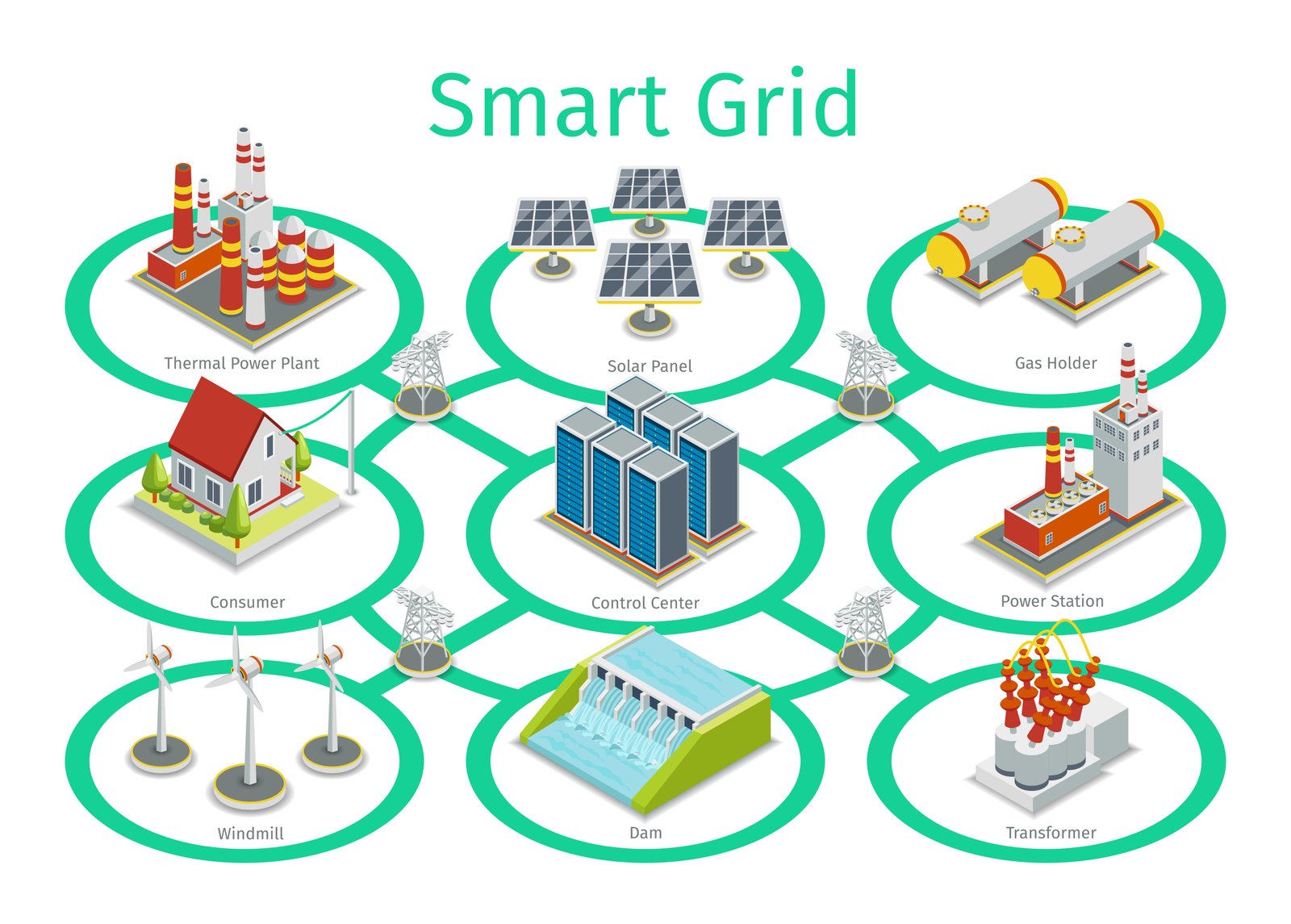
This paper objects to improve power quality in grid-connected photovoltaic (PV) system through dev...

The Secured data safe guard transaction with multi-tenant environments run on private-protected auth...
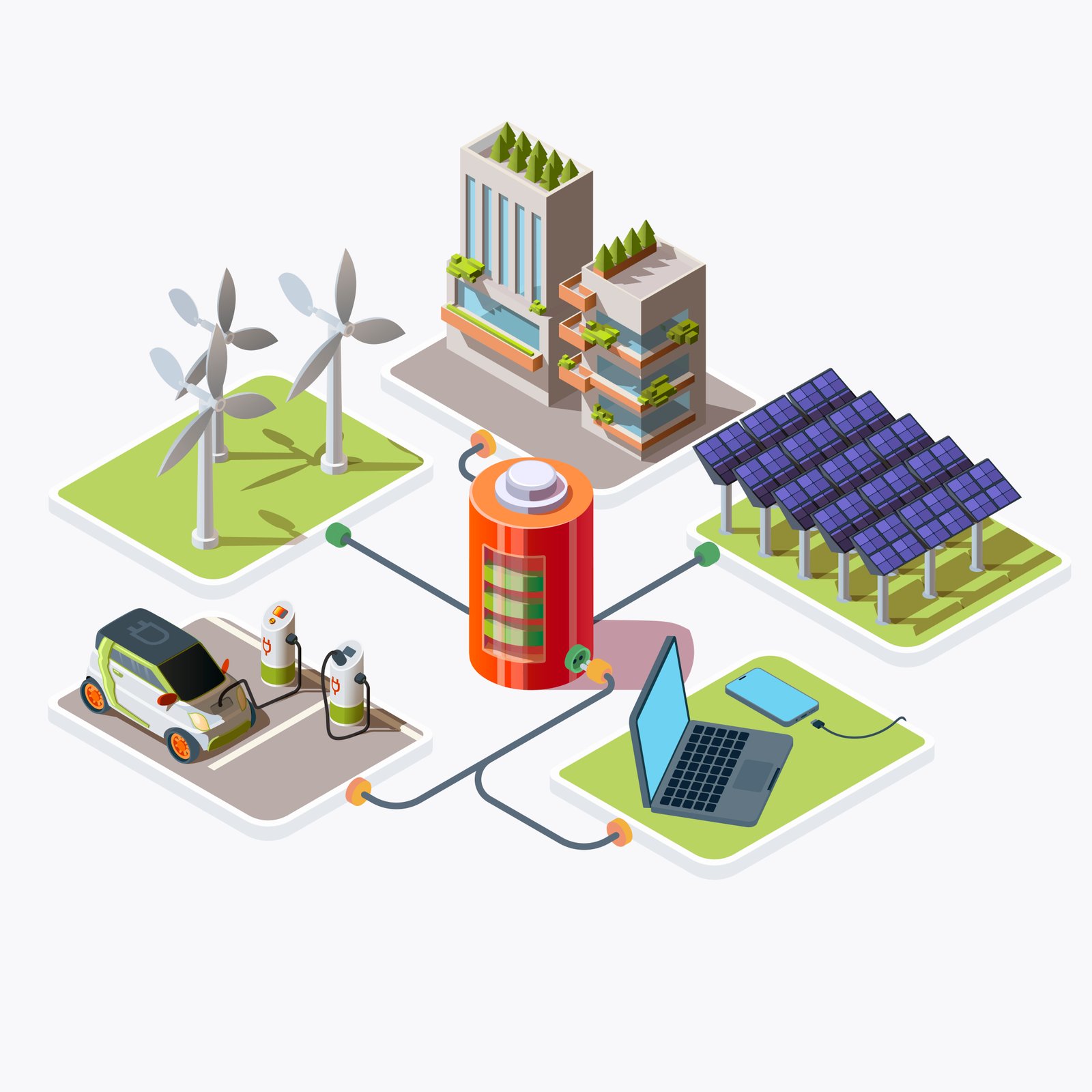
This paper presents the implementation of an intelligent Hybrid Energy System (HES) tailored to a de...

The advancement in Industrial Wireless Sensor Networks (IWSNs) demands intelligent energy management...