

The rapid advancement of the Internet of Things (IoT) has revolutionized traditional agricultural practices by enabling real-time monitoring, automation, and data-driven decision-making. Smart agriculture integrates IoT-based technologies such as sensors, wireless communication, and cloud computing to enhance productivity, resource management, and sustainability in farming. IoT devices collect data on soil moisture, temperature, humidity, and crop health, allowing farmers to make informed decisions and optimize irrigation, fertilization, and pest control. The use of automated systems and predictive analytics further supports precision agriculture, reducing resource wastage and operational costs. Cloud-based platforms enable seamless data storage and remote access, improving efficiency and scalability across large agricultural fields. Additionally, IoT integration promotes sustainable farming by minimizing environmental impact and maximizing yield quality. This paper provides an overview of IoT applications in agriculture, highlighting the benefits, challenges, and future potential of smart farming systems in transforming the agricultural sector.
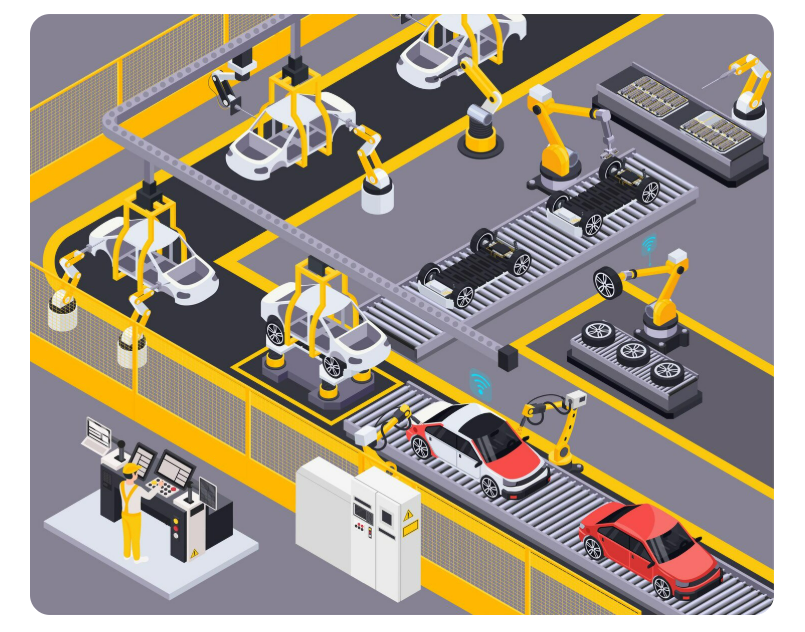
The automobile industry is continuously evolving toward enhanced maneuverability, safety, and drivin...

The exponential growth of social media platforms has generated massive amounts of unstructured text ...

Wireless Sensor Networks (WSNs) are widely used in environmental monitoring, military surveillance, ...

Medical image segmentation is a crucial step in computer-aided diagnosis, treatment planning, and bi...