
In this comprehensive overview, numerous papers on the application of hybrid nanofluids across a range of thermal uses are assembled, which also investigates the enhanced heat transmission characteristics of these materials. The study employs multiple approaches and focuses on the development of hybrid nanofluid technology as well as its possible applications to industrial operations. Research highlights how hybrid nanofluids operate better than traditional fluids, with notably higher heat transfer rates and coefficients. Researchers have demonstrated significant improvements in thermal efficiency and conductivity by investigating the application of hybrid nanofluids in different contexts, such as heat exchangers, solar panels, and thermoelectric generator modules. Studies have focused on particular combinations of nanoparticles, like h-BN, CF-MWCNTs, CF-GNPs, Ag-ZnO/Syltherm 800, and Al2O3-TiO2, and they have shown considerable gains in efficiency and heat transmission. The review emphasizes the benefits and drawbacks of hybrid nanofluids, as well as how they affect fluid viscosity and pressure drop. It talks about how they can be used in a variety of fields and how they can solve important problems like stability and economic viability. Research also examines how hybrid nanofluids are made, describing their characteristics and possible uses, highlighting how they can revolutionize heat transfer efficiency in a variety of industrial domains. The thorough examination seeks to bring together the developments, drawbacks, and potential applications of hybrid nanofluids in relation to the world's problems with energy efficiency and heat transmission.
Turn pages by dragging a corner, clicking a page, or with the ← → keys.
Loading article…
Open the PDF instead
DOI: https://doi.org/10.63328/IJRDES-V5RI5P3
OpenYou've reached the end of this article.

This extensive overview includes numerous research on the environmentally friendly synthesis of AgNP...
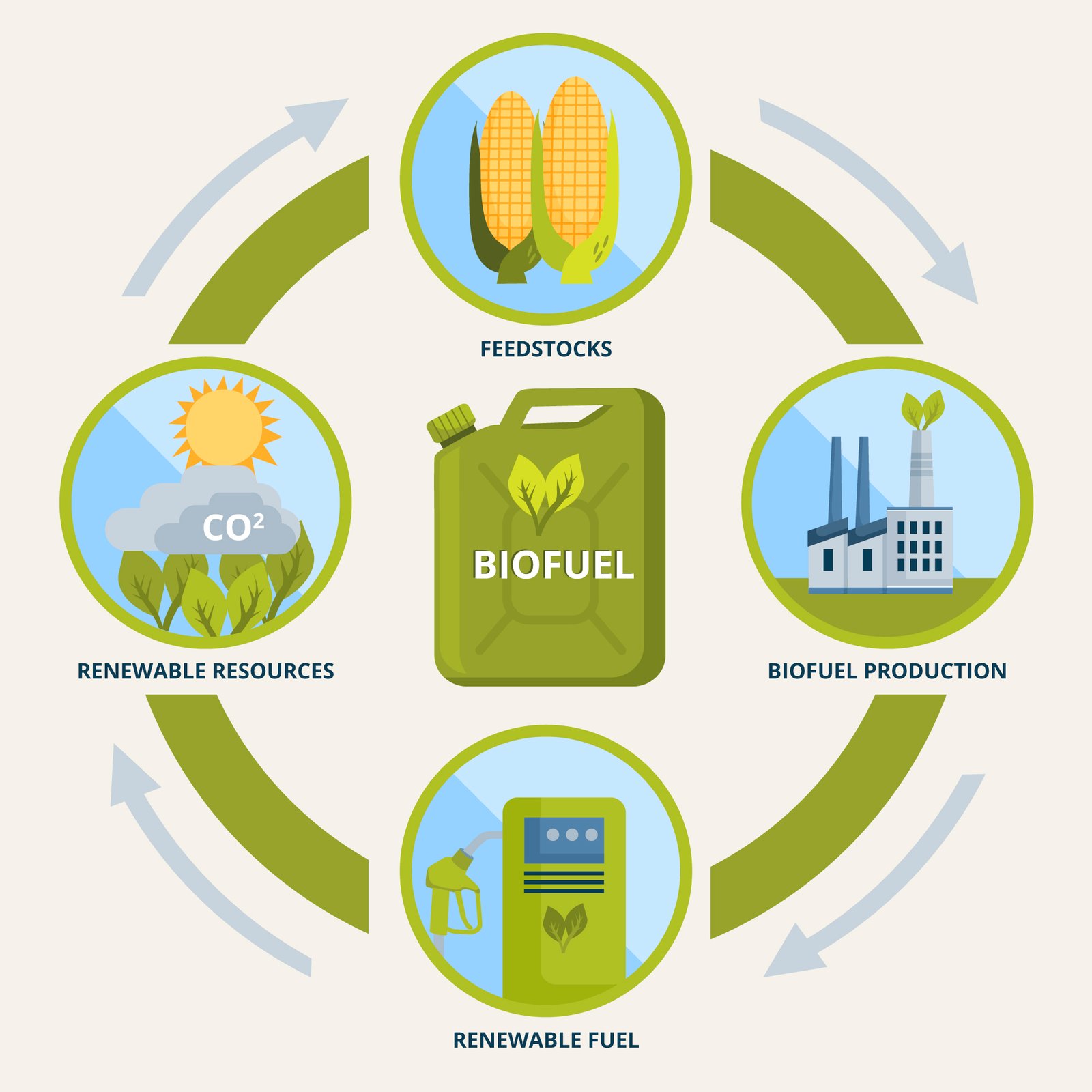
Biofuels, which come from natural sources, are growing more and more important in agriculture since ...