


Accurate classification of cancer data plays a vital role in early diagnosis, effective treatment planning, and patient survival prediction. This paper presents a comparative analysis of various machine learning classification algorithms applied to cancer datasets. The study evaluates algorithms such as Decision Tree, Support Vector Machine (SVM), Random Forest, K-Nearest Neighbor (KNN), and Naïve Bayes to determine their performance in identifying cancer types or malignancy levels. Data preprocessing techniques, including normalization and feature selection, are applied to improve model accuracy and reduce noise. The models are trained and tested using benchmark cancer datasets, such as the Wisconsin Breast Cancer Dataset (WBCD), to ensure reliability. Performance metrics such as accuracy, precision, recall, and F1-score are used to assess the effectiveness of each algorithm. Experimental results reveal that ensemble-based and kernel-based models achieve higher predictive performance compared to simple classifiers. This study demonstrates the importance of selecting an appropriate classification algorithm for cancer data analysis and supports the integration of machine learning in medical diagnosis systems.
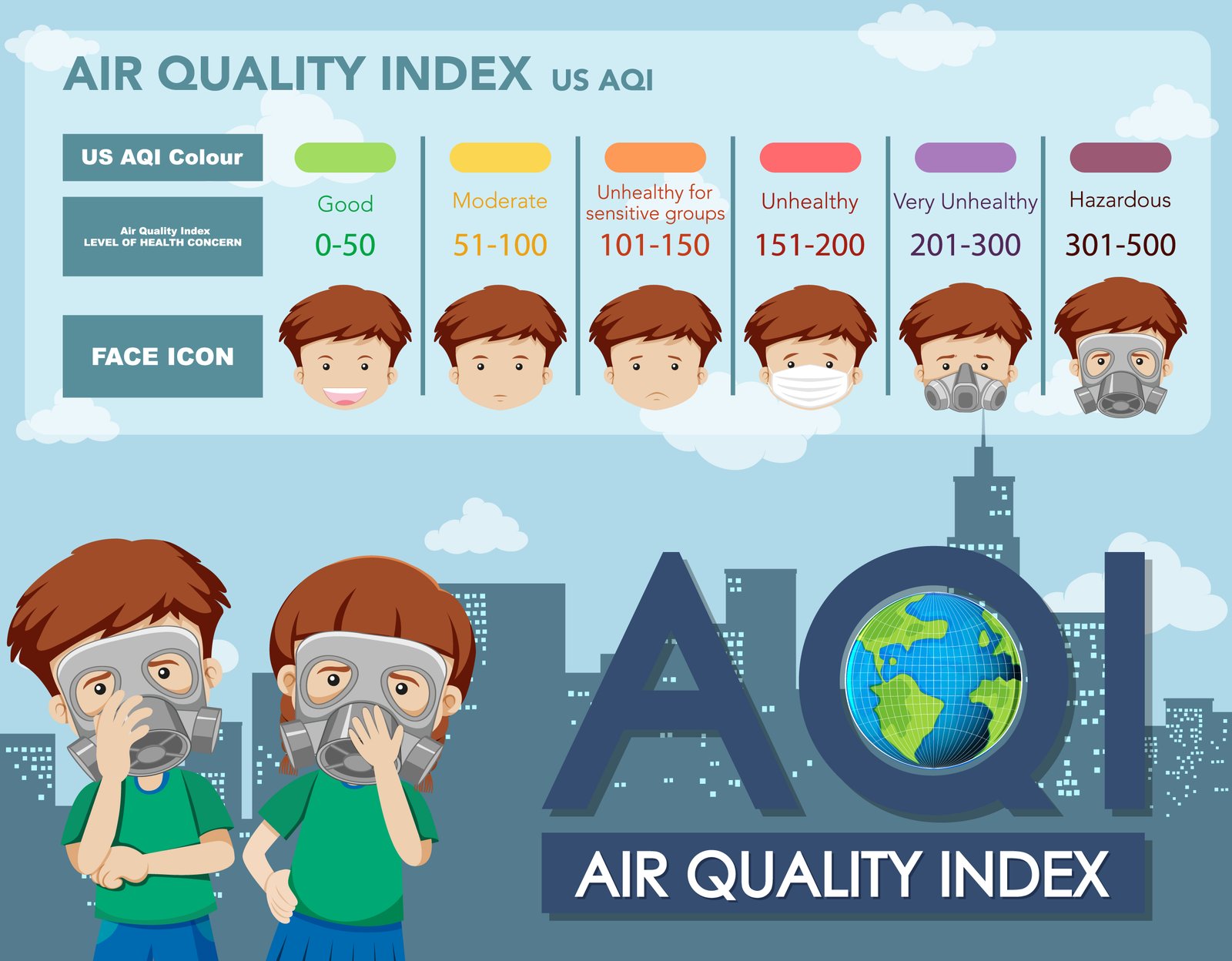
Air pollution has become a major environmental concern affecting human health and climate worldwide....

The rapid growth of wireless communication has led to an increased demand for radio spectrum, result...

Phishing is one of the most prevalent cyber threats, where attackers deceive users through fraudulen...

Driver fatigue and drowsiness are major causes of road accidents worldwide, emphasizing the need for...