

Academic integrity is a critical aspect of modern education, and detecting unethical practices such as cribbing or plagiarism has become a major challenge in digital learning environments. This paper presents a study on the cognizance (awareness and detection) of cribbing using data excavation techniques, also known as data mining. The proposed approach employs text mining, pattern recognition, and similarity analysis to identify instances of copied or suspicious content in academic submissions. By analyzing large datasets of student records, assignments, and examination scripts, the system extracts relevant features and applies algorithms such as cosine similarity, clustering, and classification to detect content overlap and behavioral patterns. The use of data excavation enables automated, efficient, and accurate cribbing detection, reducing manual efforts and enhancing academic transparency. Furthermore, the system can generate analytical reports to help educators understand trends in academic misconduct and implement preventive strategies. The proposed framework contributes to maintaining fairness and integrity in educational evaluation systems.
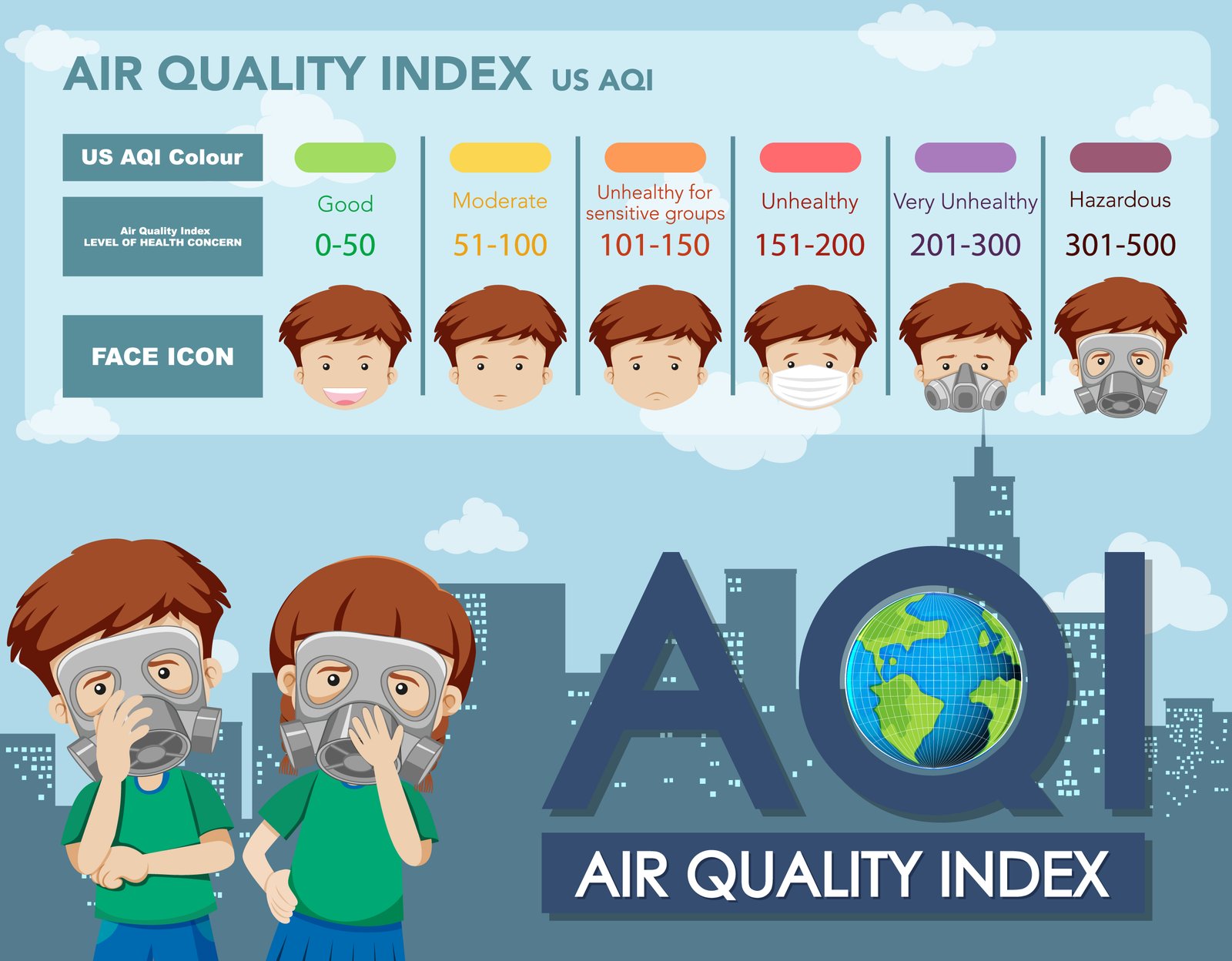
Air pollution has become a major environmental concern affecting human health and climate worldwide....

The rapid growth of wireless communication has led to an increased demand for radio spectrum, result...

Accurate classification of cancer data plays a vital role in early diagnosis, effective treatment pl...

Phishing is one of the most prevalent cyber threats, where attackers deceive users through fraudulen...