
One of the world's largest exporters of tea is India. However, persistent pathogen exposure-related tea leaf diseases cause significant global crop output losses. Early detection of the tea leaf disease can lessen its detrimental effects on tea production. It might be ineffective and harmful to diagnose the illness with the unaided eye. Convolutional Neural Networks (CNNs) are frequently employed to apply an efficient technique for the classification of images. CNN is frequently used in plant disease detection. As a result, the suggested work considers using a Deep CNN with many hidden layers to classify damaged tea leaves into various groups. This aids the network in identifying more characteristics, increasing the precision of illness identification. The following leaf classifications are used for the classification process: Red Spot, Heliopolis, Brown Blight, Algal Spot, Gray Blight, and Healthy Leaves. Additionally, 5867 photos of healthy and diseased tea leaves have been tagged and posted to Kaggle. The proposed approach shows that the model has a 96.56% accuracy rate in identifying the type of persistent tea leaf disease. The following illness classes have the results show that Algal Spot has an accuracy of 98.23%, Brown Blight has an accuracy of 97.98%, Gray Blight has an accuracy of 93.46%, the Heliopolis disease class has an accuracy of 98.98%, and Red Spot has an accuracy of 92% accuracy In terms of accuracy, the model put forward in this literature is significantly better than the current approaches.
Turn pages by dragging a corner, clicking a page, or with the ← → keys.
Loading article…
Open the PDF instead
DOI: https://doi.org/10.63328/IJRDES-V6RI3P5
OpenYou've reached the end of this article.
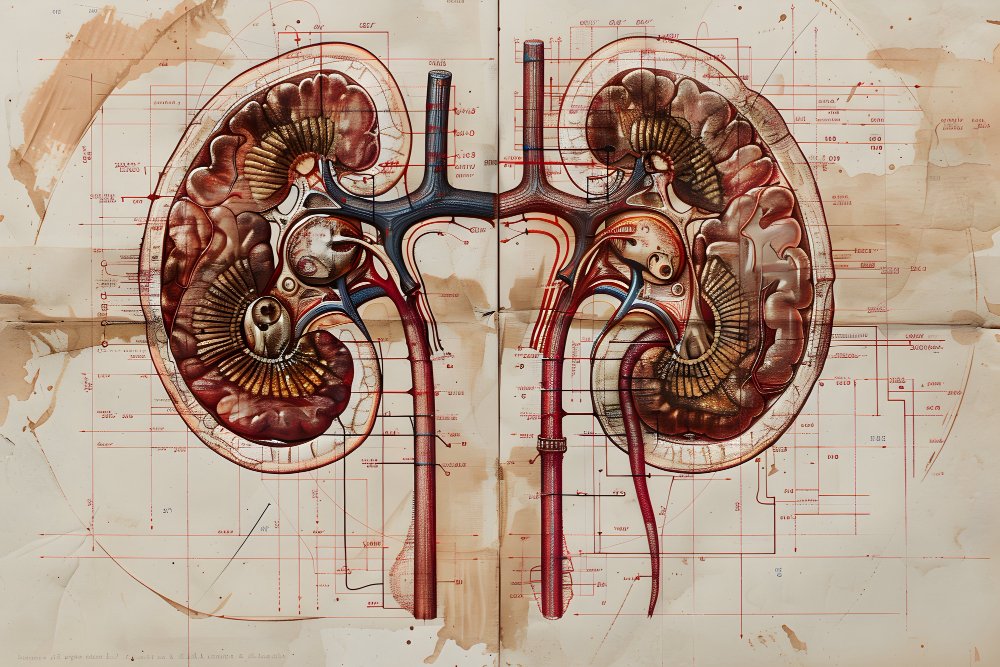
The diagnosis of kidney disease, often called chronic renal illness, is known as chronic kidney dise...

This paper presents the design and implementation of an Enhanced Reversible Logic Gates-Based Pipeli...

The high-speed carry look ahead adder (CLA), however, has become a very powerful tool for carrying o...

This project focuses on the development of an adaptive vest for soldier health monitoring and temper...