
The proliferation of counterfeit products poses a significant threat to businesses and consumers, undermining brand reputation and potentially endangering consumer safety. Blockchain technology emerges as a promising solution to this pressing issue, offering a decentralized and transparent method for verifying product authenticity. This paper explores the innovative use of blockchain in combating the spread of fake goods, scrutinizing its core features and potential in establishing a secure mechanism for product verification. Our proposed approach involves leveraging blockchain's capabilities alongside smart contracts to streamline the verification process. Manufacturers can securely register their products on the blockchain, assigning each item a unique digital identity. Subsequently, consumers can verify product authenticity by scanning a QR code to access its digital identity, ensuring transparency and trust in the product's origin. The adoption of blockchain-based product identification offers numerous benefits, including heightened transparency, reduced instances of fraud, and enhanced consumer confidence. However, challenges such as scalability and compatibility must be addressed for widespread implementation. In summary, blockchain technology presents a promising solution to the counterfeit product dilemma. Its decentralized and tamper-proof nature provides a robust platform for verifying product authenticity, protecting both businesses and consumers from the harmful effects of counterfeit merchandise while fostering integrity in the marketplace.
Turn pages by dragging a corner, clicking a page, or with the ← → keys.
Loading article…
Open the PDF instead
DOI: https://doi.org/10.63328/IJRDES-V6RI4P2
OpenYou've reached the end of this article.
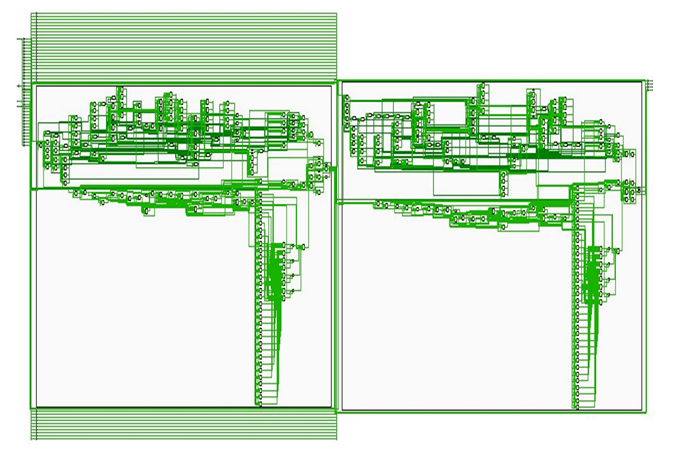
The Inter-Integrated Circuit (I2C) protocol is a versatile communication standard used in embedded s...
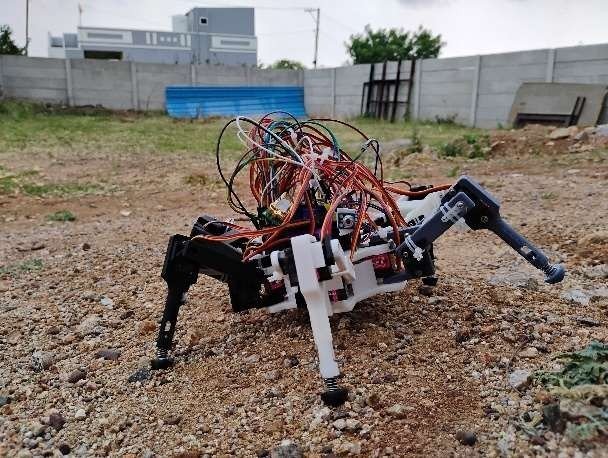
Within the domain of calamity reaction, quick and viable arrangement of assets is foremost for relie...

Field-Oriented Control (FOC) of the Brushless DC (BLDC) motor is the main focus, with the goal of ac...
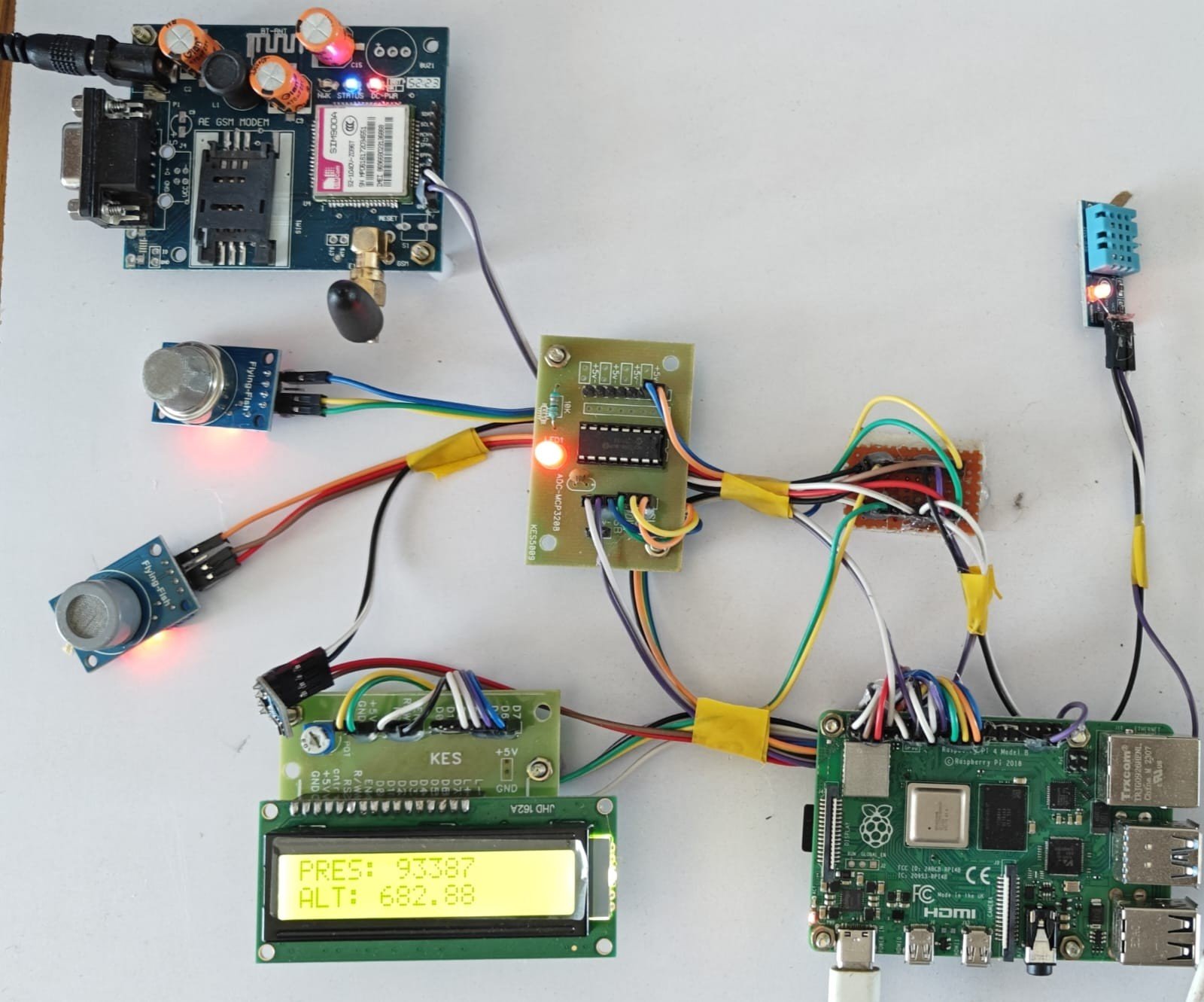
An integrated system for traffic management that combines environmental monitoring and pollutant det...