
This paper proposes a novel technique for reducing crossover disturbances, consumption of electricity, Power Delay Product (PDP), and Energy-Delay Product (EDP) in MWCNT-based through-silicon vias (TSVs) with polymer dielectric liners. A new TSV structure is introduced, which uses MWCNT bundles as conductive elements and polymer liners such as polyimide, Polypropylene Carbonate (PPC), and Benzo Cyclobutene (BCB) as insulators. An analogous electrical circuit model is developed to assess crosstalk effects in connected TSVs powered by a ternary inverter. Simulations with the HSPICE tool show that BCB-based TSVs significantly improve performance, especially at lower TSV heights, by up to 30.21% over single-walled carbon nanotube (SWCNT) TSVs. Additionally, BCB-lined TSVs exhibit superior crosstalk suppression, especially at larger TSV pitch values, with a 40.03% enhancement at 0.5 to 3 ?m pitch compared to SWCNT TSVs. The study further explores the impact of TSV height and dielectric constant variations, revealing that BCB provides a 43.8% reduction in crosstalk delay over conventional SiO? liners. These findings highlight the potential of polymer liners, particularly BCB, in improving signal integrity and overall performance in next-generation 3D ICs, making them a promising alternative to traditional materials.
Turn pages by dragging a corner, clicking a page, or with the ← → keys.
Loading article…
Open the PDF instead
DOI: https://doi.org/10.63328/IJRDES-V7RI6P6
OpenYou've reached the end of this article.
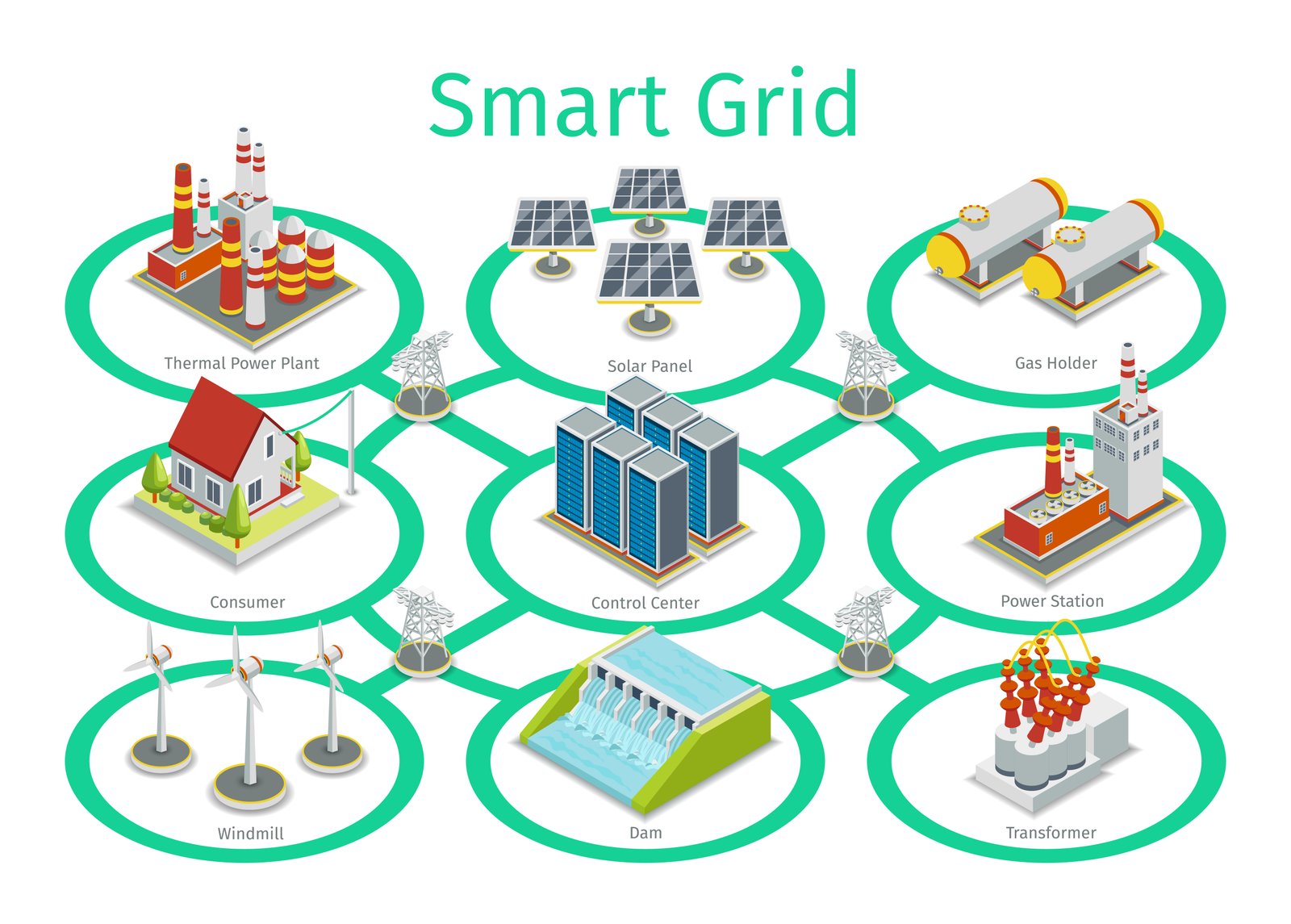
This paper objects to improve power quality in grid-connected photovoltaic (PV) system through dev...

The Secured data safe guard transaction with multi-tenant environments run on private-protected auth...

This paper presents the implementation of an intelligent Hybrid Energy System (HES) tailored to a de...

The advancement in Industrial Wireless Sensor Networks (IWSNs) demands intelligent energy management...