
Within the domain of calamity reaction, quick and viable arrangement of assets is foremost for relieving the effect of disastrous occasions. Conventional reaction strategies regularly confront challenges in getting to unsafe and complex landscapes, subsequently requiring inventive arrangements. In spite of the fact that a wide extend of plans and usage of robots were displayed within the field of rescue operations, implanting the portability and location of survivors beneath the collapsed structures is still troublesome. Quick localization of harmed survivors by rescue group is another challenging issue and working a rescue operation beneath a collapsed structure and challenging situations which can be unsafe to the rescue team. This research is outlined in a way to play down the unsafe circumstances for rescue group and maximize the look operations for finding survivors beneath the rubbles using a Hexapod Robot. In this project the parts of Hexapod robot (Coxa, Femur, Tibia, Upper and lower body) are 3D printed by employing a 3D printer. To assist the disaster response team, the robot is remote controlled by the disaster response team to detect the presence of any survivors under a collapsed structure, it uses Co2 gas sensors to detect the Co2 concentration present in the disaster area. It also uses a non-contact thermal sensors to detect the temperature of the survivors under the rubbles. It gathers all the information from the sensors and sends it to the disaster team. The hexapod is remotely controlled by response team utilizing Blynk app through Esp8266 module. The benefits of utilizing the first responder hexapod are to diminish the sparing time in rescue operations, detecting the survivors beneath the rubbles, sending the data rapidly to the reaction group, so that the group can protect the survivors. It aims at enhancing its effectiveness and contribution to disaster response efforts.
Turn pages by dragging a corner, clicking a page, or with the ← → keys.
Loading article…
Open the PDF instead
DOI: https://doi.org/10.63328/IJRDES-V6RI4P5
OpenYou've reached the end of this article.
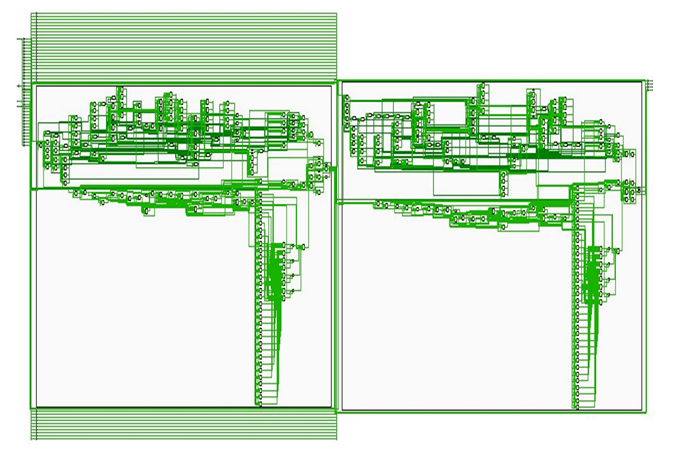
The Inter-Integrated Circuit (I2C) protocol is a versatile communication standard used in embedded s...

Field-Oriented Control (FOC) of the Brushless DC (BLDC) motor is the main focus, with the goal of ac...
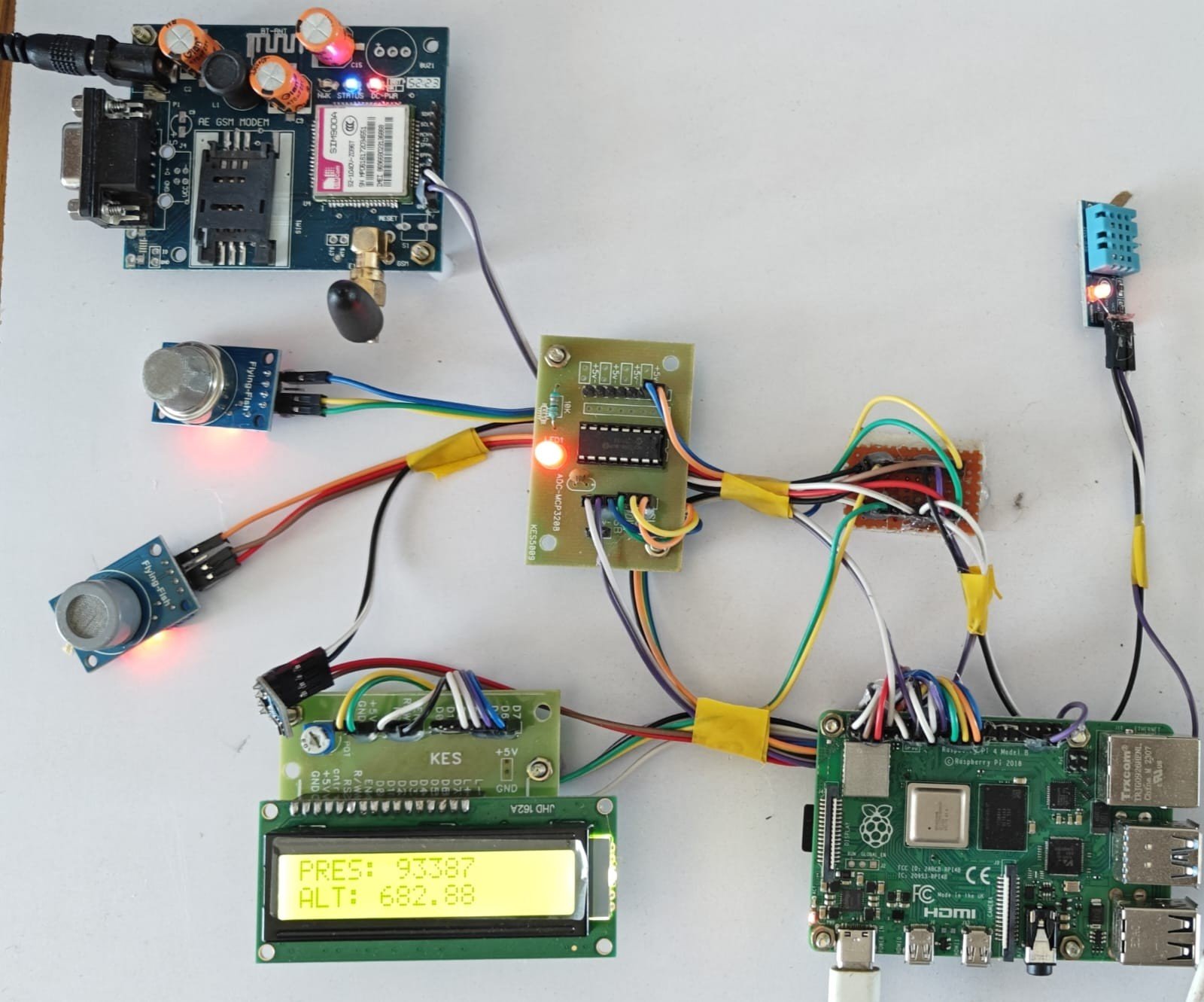
An integrated system for traffic management that combines environmental monitoring and pollutant det...

The proliferation of counterfeit products poses a significant threat to businesses and consumers, un...