
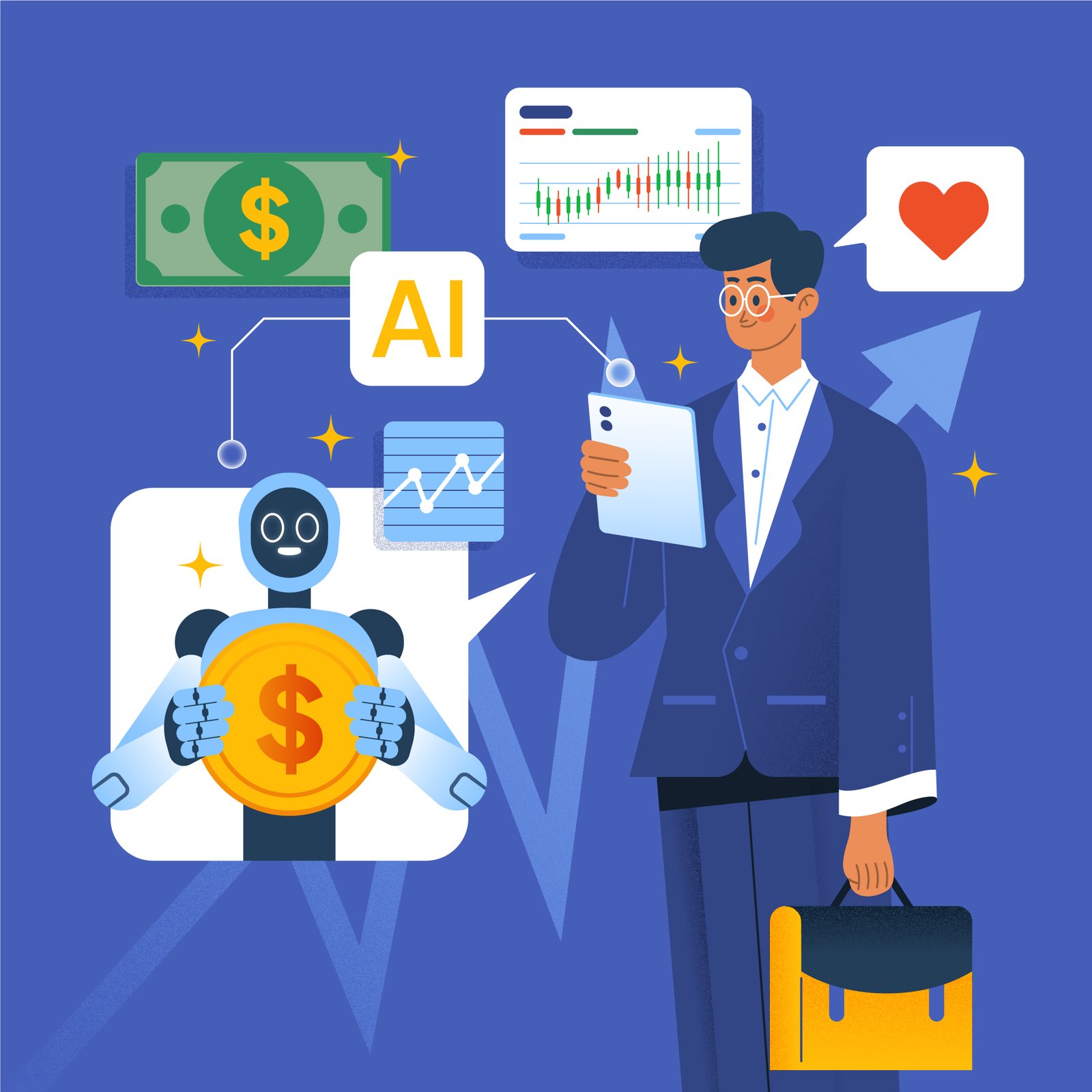
Artificial Intelligence (AI) is revolutionizing Human Resource Management (HRM) by integrating automation, predictive Analytics, and data-driven decision-making. Organizations are increasingly adopting AI-powered solutions to enhance talent acquisition, employee engagement, performance management, and workforce planning. AI-driven recruitment systems streamline hiring by reducing biases, improving candidate-job matching, and expediting the selection process. Additionally, chatbots and virtual assistants are transforming onboarding, training, and employee support by providing real-time assistance and personalized learning experiences. Beyond recruitment, AI plays a crucial role in workforce analytics, helping HR professionals predict attrition risks, optimize talent management, and enhance employee well-being. Machine learning algorithms and sentiment analysis enable organizations to proactively address workforce challenges, implement effective retention strategies, and cultivate a positive workplace culture. Moreover, AI enhances HR operations by automating payroll processing, benefits administration, and compliance tracking, reducing manual errors and ensuring regulatory adherence. This paper covers the evolving role of AI in shaping future HRM strategies, highlighting the impact of AI on HR, opportunities, and challenges. It also emphasizes the significance of a balanced AI-human approach, where AI augments HR capabilities without replacing human judgment. By integrating AI ethically and strategically, organizations can create an agile, data-driven, and employee-centric HRM framework that aligns with future workforce needs.
Turn pages by dragging a corner, clicking a page, or with the ← → keys.
Loading article…
Open the PDF instead
DOI: https://doi.org/10.63328/IJRDES-V7RI3P10
OpenYou've reached the end of this article.
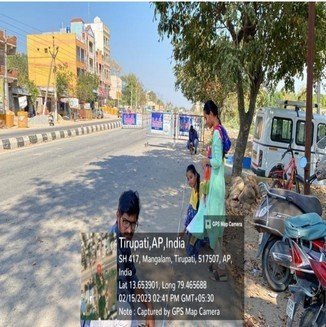
Roads make a key role to economic development and growth and take important social benefits. They ar...

The use of precision farming has become a transformative approach to optimizing crop production whil...

This paper presents a comprehensive conceptual design for a mobile application aimed at revolutioniz...
In this era of modern technological world, Internet plays a vital role in human life. Internet has b...